Quiet Power: Seamless Smart Home Living in Minimalist Spaces

Join us as we explore discreet smart home integrations that preserve minimalist design, revealing how hidden sensors, silent automation, and thoughtfully chosen materials create calm, clutter-free rooms. Expect practical examples, product categories, wiring tips, and aesthetic insights you can apply immediately.

Plan Invisible Infrastructure First

Successful discretion begins behind the walls, where power, low-voltage runs, and network backbones are quietly orchestrated before finishes go in. Prewire for sensors, shades, and access points; plan maintenance access you will never notice, and add roomy conduits so upgrades happen without scars, protecting minimalist surfaces while enabling surprisingly capable, future-ready automations.

Hardware That Disappears

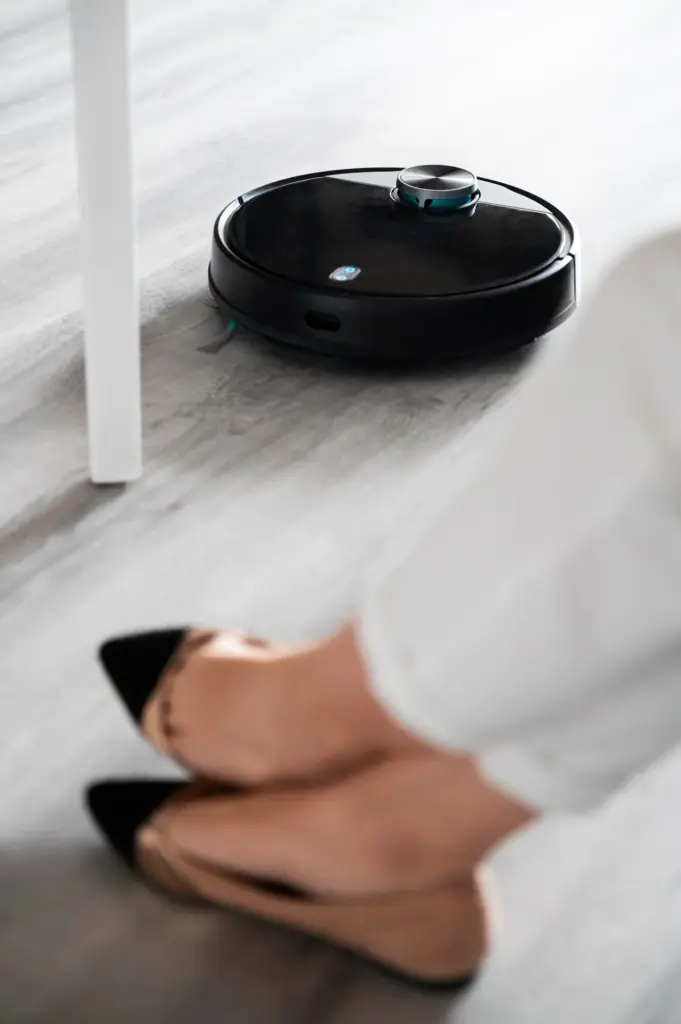
Choose devices designed to recede: flush fixtures, micro bezels, paintable grilles, and whisper-quiet motors. Hide hubs in ventilated cabinetry, aggregate bridge devices into one discreet location, and prefer unified ecosystems to reduce boxes. The goal is intelligent capability expressed as quiet surfaces, aligned reveals, and effortless daily rituals without visual interruption.

Ambient Feedback Over Screens

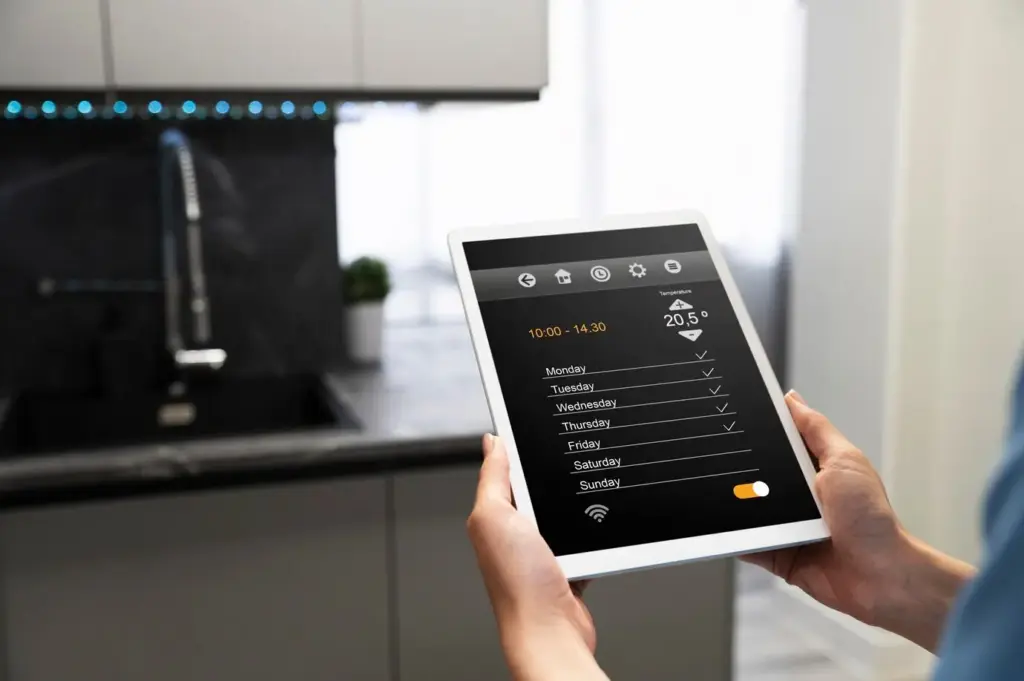
Replace harsh alerts with a soft light pulse under a cabinet, a small vibration on a wearable, or a gentle chime from a concealed speaker. These cues deliver information without stealing attention, preserving focus, conversation, and architectural quiet while still guiding timely actions and reinforcing reliable, trustworthy automation.

Minimal Voice and Gestures

Keep utterances brief and consistent, using custom wake phrases only where microphones are intentionally placed for clarity. Combine voice with simple gestures like a hidden capacitive touchpad or a tap edge on furniture. The result feels effortless, private, and elegantly aligned with the room’s character rather than dominating it.

Color Matching and Finishes

Specify exact color codes and gloss levels so plates and sensors merge with walls or ceilings. For dark palettes, choose matte finishes to avoid glare. For light palettes, avoid stark whites by custom painting accessories, creating a cohesive plane where attention rests on form, daylight, and beautifully restrained details.

Material Continuity, Hidden Enclosures

Conceal hubs and power strips inside millwork with ventilated backs and removable panels finished in matching veneer. Use fabric-wrapped speaker grilles cut from the same textile as drapery. Even small consistencies calm the eye, letting proportion and light lead, while the technology remains capable, cool, and safely serviceable.

Disciplined Cable Architecture

Adopt short, labeled runs, Velcro straps, and color standards across the home to simplify troubleshooting. Terminate neatly in patch panels. By eliminating spaghetti wiring you protect airflow, silence rattles, and prevent accidental tugging, safeguarding both aesthetics and reliability so minimalist spaces stay serene even when systems quietly evolve.

Material and Color Strategies

Match devices to surfaces so they visually disappear. Use paintable plates, stone-faced covers, and wood-veneered panels where appropriate. Align reveals with cabinetry and shadow gaps. Route wires meticulously so joinery remains pristine, allowing craftsmanship and volume to read first while technology gracefully supports the experience from the background.

Privacy and Security Without Clutter

Integrate safety while honoring calm aesthetics. Favor window and door contacts hidden in frames, discreet cameras with privacy shutters, and dashboards accessible but not displayed. Use local processing for sensitive automations, minimizing cloud chatter. The result protects people and data while keeping surfaces quiet, dignified, and confidently unobtrusive.

A Calm Home in Practice: Story and Checklist

Xoxuketurulefati
Privacy Overview

This website uses cookies so that we can provide you with the best user experience possible. Cookie information is stored in your browser and performs functions such as recognising you when you return to our website and helping our team to understand which sections of the website you find most interesting and useful.